Chennai, IND
Contact
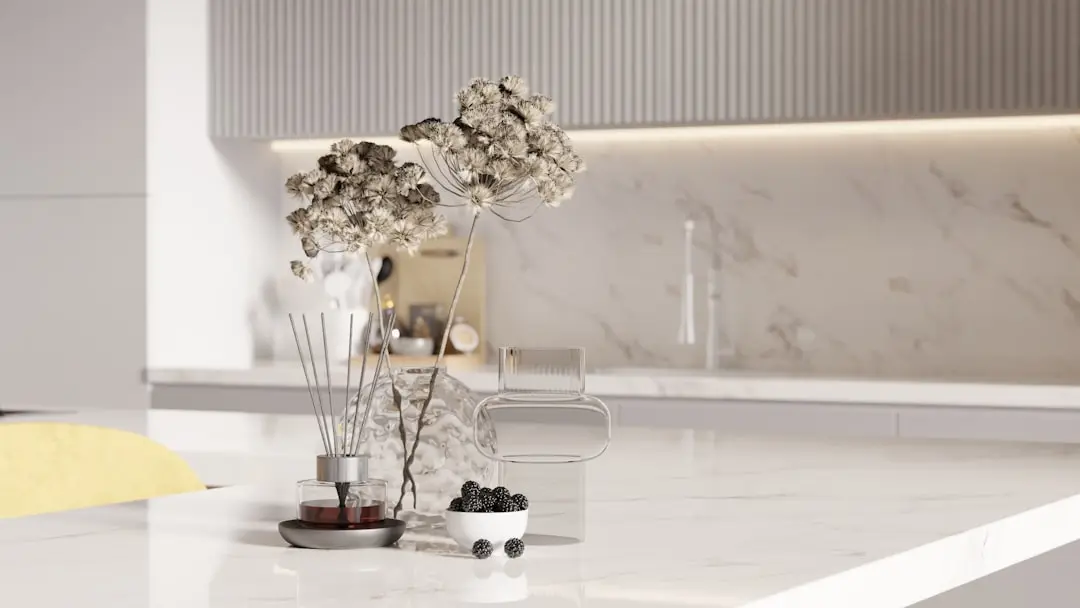
The kitchen has always held a special place in the home. Once considered purely functional, it has evolved into a central hub where cooking, conversation, and connection come together. Today, the kitchen is no longer hidden away — it is the heart of the home, reflecting how we truly live.
Designing a kitchen for modern living means understanding daily routines, social interactions, and the need for flexibility. It is about creating a space that is as inviting as it is efficient, where functionality meets warmth.
Modern kitchens are designed to be shared spaces. Family members gather here, guests linger, and conversations flow naturally. Open layouts that connect the kitchen with living and dining areas encourage interaction, making the space feel inclusive and dynamic.
Kitchen islands and breakfast counters often become informal gathering points, blurring the line between cooking and socializing. This shift transforms the kitchen into a place of connection rather than isolation.
A well-designed kitchen reflects how it is actually used. This means prioritizing practicality — efficient work triangles, accessible storage, and durable materials. Every element should support daily activities, from quick breakfasts to elaborate meals.
Storage solutions such as pull-out drawers, hidden cabinets, and organized shelving ensure that the space remains clutter-free while keeping essentials within reach.
Kitchens demand materials that are both resilient and aesthetically pleasing. Natural stone countertops, hardwood finishes, and high-quality laminates offer durability while adding visual warmth.
In tropical climates, materials that resist humidity and heat are especially important. Choosing the right finishes ensures longevity without compromising style.
Lighting plays a crucial role in shaping the kitchen experience. Task lighting ensures efficiency during food preparation, while ambient lighting creates a welcoming atmosphere. Pendant lights over islands or counters add both function and character.
Natural light, when integrated effectively, enhances the space, making it feel open and vibrant throughout the day.
The way we use kitchens continues to evolve. Designing for flexibility allows the space to adapt to changing needs. Multi-functional areas, movable elements, and modular designs ensure that the kitchen remains relevant over time.
Whether it is accommodating more people or integrating new appliances, a flexible design future-proofs the space.
Ultimately, the kitchen is more than a place to cook — it is where memories are made. From everyday meals to special occasions, it plays a central role in shaping experiences within the home.
By designing kitchens that reflect real lifestyles, we create spaces that are not only functional but also meaningful. When thoughtfully planned, the kitchen truly becomes the heart of the home — a place where life unfolds naturally.
 Interior Design
Explore modern living room design ideas that combine elegance, comfort, and functionality. Discover trending styles, color palettes, and décor tips for your home.2
 Craftmanship
The Quiet Craft: Why We Commission Custom Furniture
 Wellness
Bringing the Outside In: Biophilic Design for Tropical Living
LeBlanc
Online
Welcome to LeBlanc Interior! 👋
How can we help you today?